


Kansas City deserves a clearer view of how public policy decisions get made, and The Beacon is stepping in to fill that gap.
For years residents, journalists and civic leaders have all said our region needs more consistent and accessible information about what happens in public meetings. That’s why The Beacon has launched Kansas City’s Documenters program, a people-powered approach to civic accountability that has already changed how residents in other cities stay informed.
Kansas City Documenters, hosted by The Beacon and originally created by our partners at City Bureau in Chicago, is training and paying community members to take fact-checked notes at public meetings in Kansas City, Kansas, and Kansas City, Missouri. Our goals are to strengthen local government accountability, ensure decisions being made reach the communities most impacted by them and create connections between residents, institutions and newsrooms across the region.
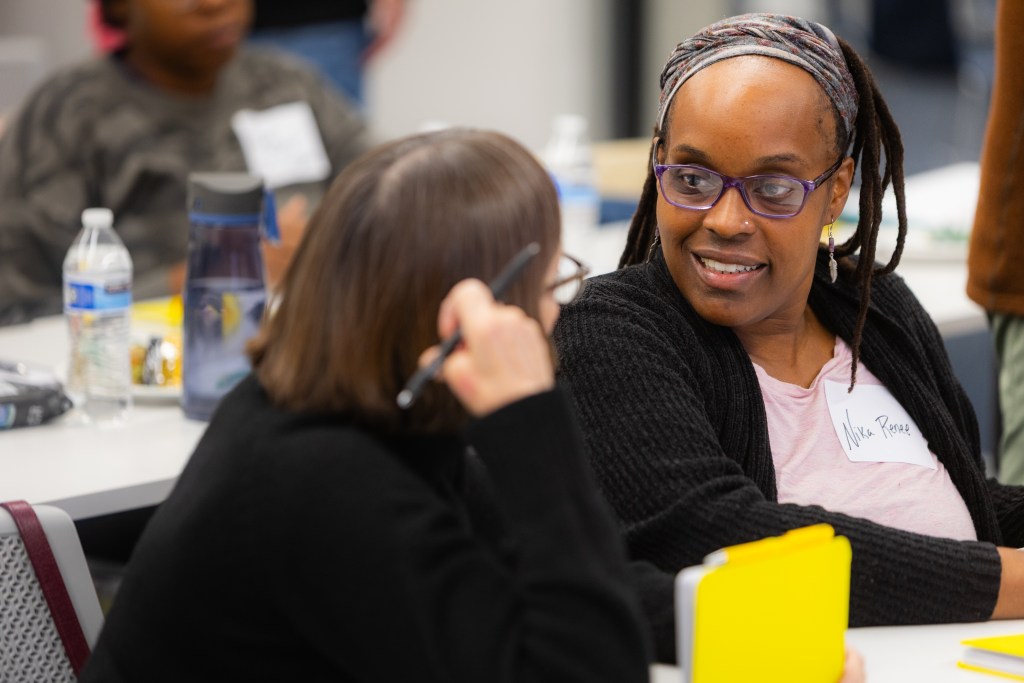
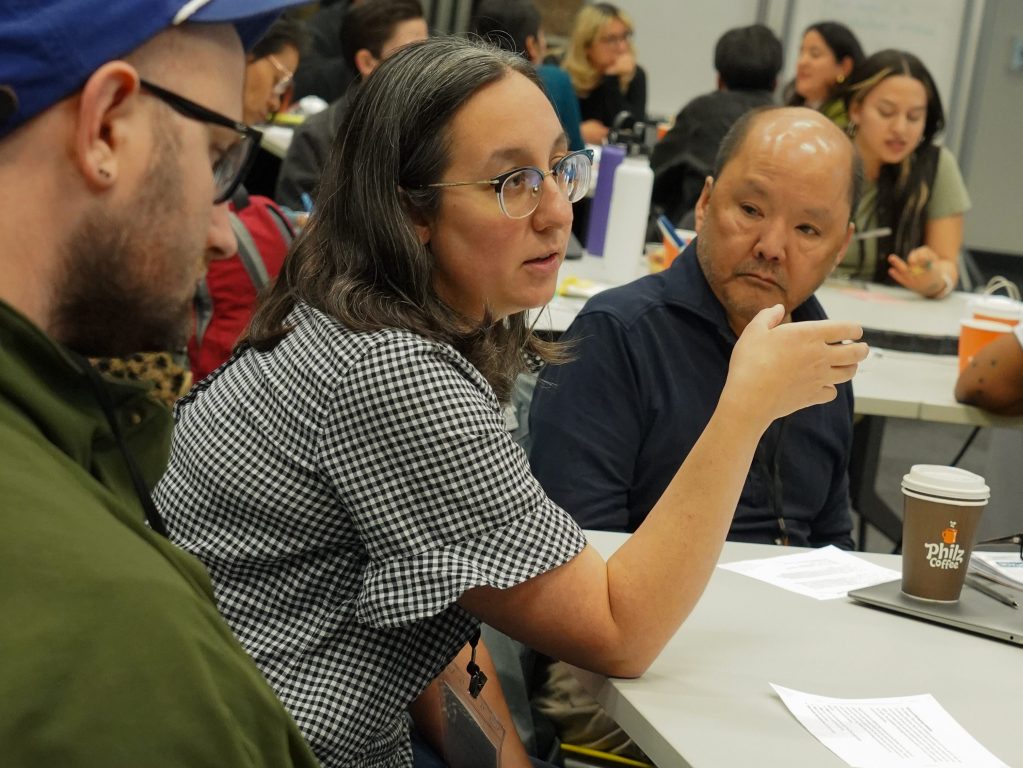
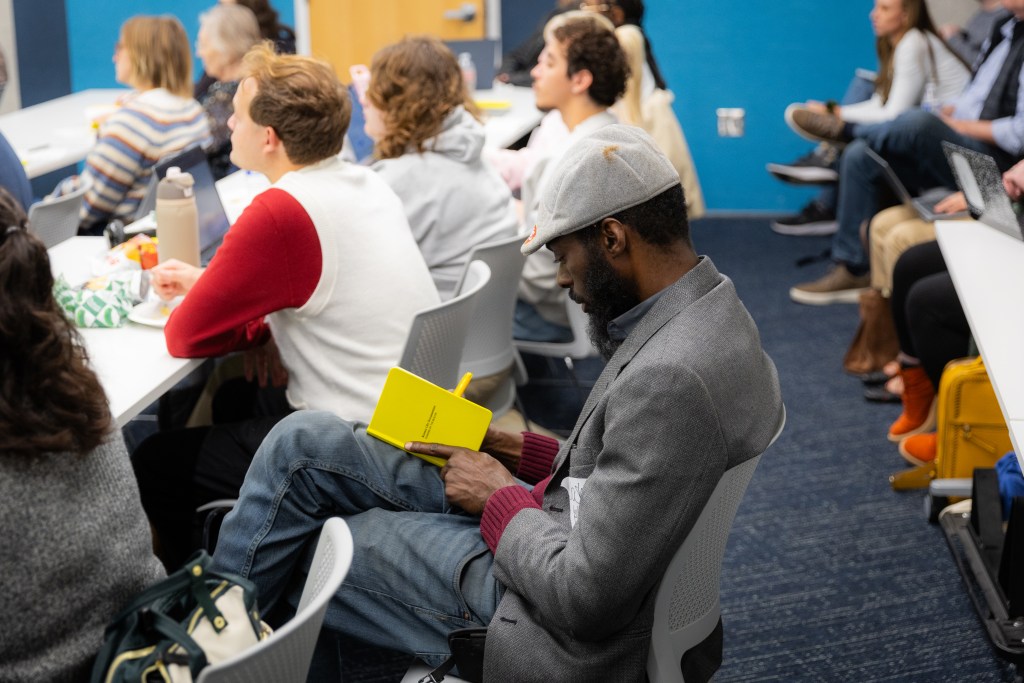
Earlier this month, we marked a major milestone by training our first group of Documenters. The Beacon hosted training sessions at the North-East Branch of the Kansas City Public Library, the Kansas City, Kansas Main Library and on Zoom. In total, 59 community members completed the training and are now eligible to take on paid assignments documenting public meetings.
Listening first, rooted in community
Because this program is for Kansas City, it’s important that it is designed by Kansas City.
This fall, as part of my newly created role to design and launch this program, I met with more than 30 leaders representing community organizations across Jackson and Wyandotte counties. My goal was to learn where coverage gaps exist, where The Beacon can make the most impact and where there is strong neighborhood-level momentum.
There is a lot of meaningful work already underway to expand civic access, and many partners are looking for ways to connect their efforts, including:
- Center for Neighborhoods at the University of Missouri-Kansas City
- Livable Neighborhoods at the Unified Government of Wyandotte County and Kansas City, Kansas
- Ivanhoe Neighborhood Council
- Community Health Council of Wyandotte County and its KCK Neighbors Alliance
- Voter Rights Network of Wyandotte County
The Beacon aims to amplify and support that work as part of a stronger, community-powered civic ecosystem, and Kansas City Documenters is a core element of making that happen.
Three orientations in Kansas City, Kansas, and Kansas City, Missouri
People are showing up. More than 90 people registered for our first orientations. Students, parents, journalists, community champions, public transit riders, retired educators and residents with varying levels of civic experience showed up with thoughtful questions and ideas for improving public meeting coverage.
This cohort of trained residents now serves as our pilot group. As they begin documenting public meetings and gathering in the community to learn more about local governance, we’ll be learning alongside them. Their insights, questions and ideas will help refine and strengthen Kansas City Documenters as we grow the program in 2026.
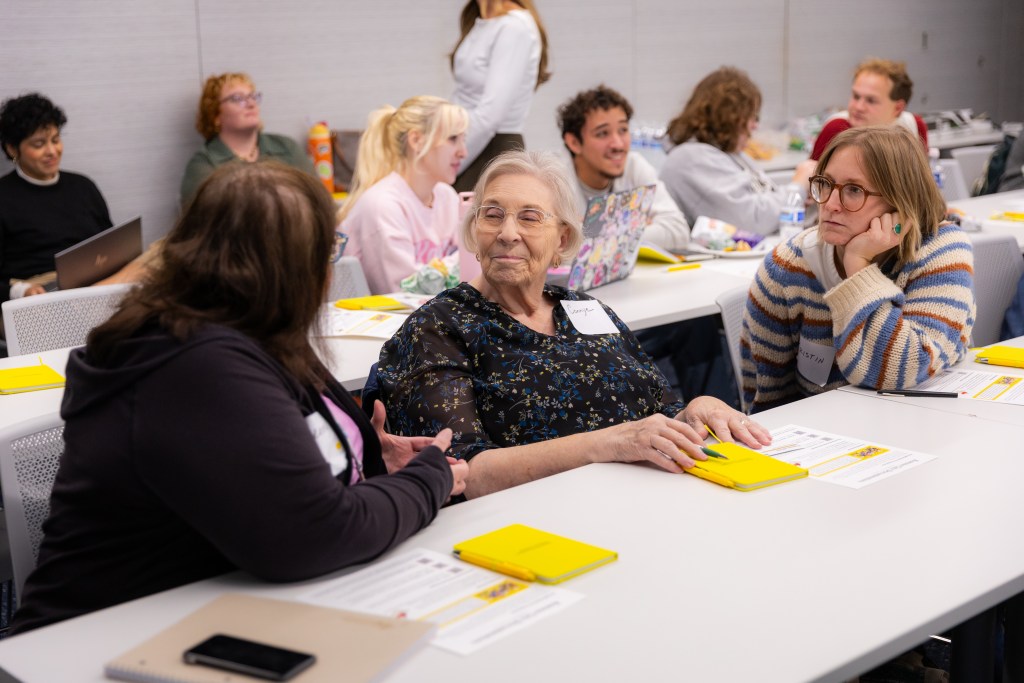
Residents want to know what is really happening inside the rooms where public policy is made. They want to understand why policies move the way they do, who is influencing them and how those choices affect their neighborhoods and schools. Public meetings are where all of that plays out.
With trained documenters in the room, we’ll finally see moments that usually stay hidden and see firsthand what is being contentiously debated and conversely, what’s being rushed through and passed in an unexpectedly unanimous vote. As this first cohort begins attending meetings, their notes will surface the questions people have been asking for years and reveal stories that rarely reach the public.
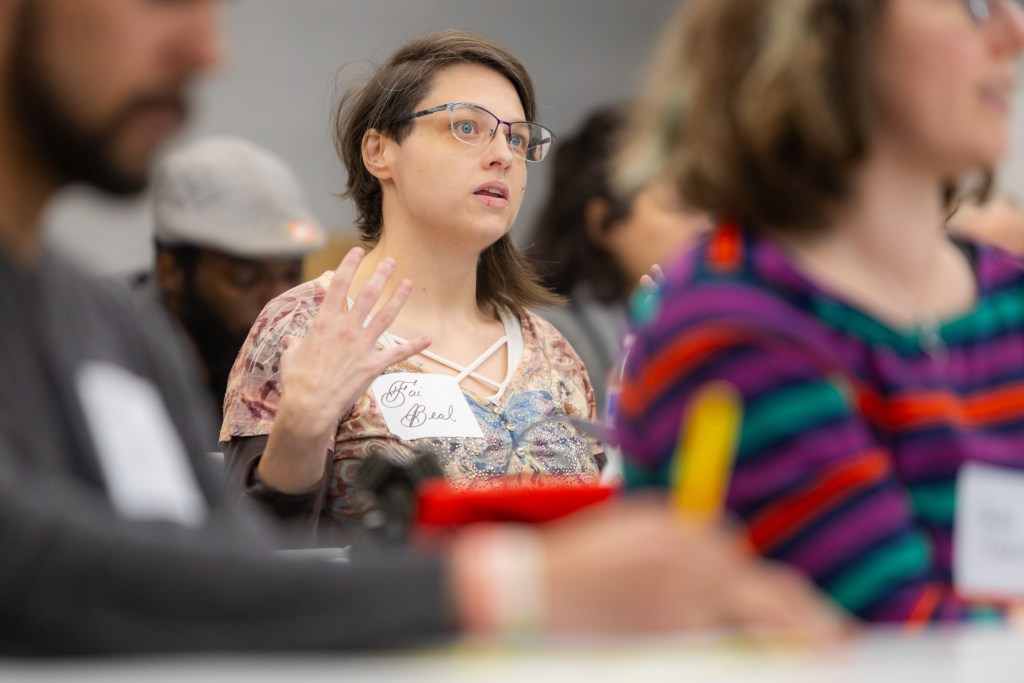
This pilot launch represents a significant step forward to increasing access to civic information in Kansas City, and we’re excited to create more accessible local governance and stronger community-powered journalism alongside this community.
Learning from other Documenters programs
As the 25th Documenters site, Kansas City Documenters is part of a growing national network. In October, City Bureau hosted the 2025 Documenters Network Summit, bringing together leaders from more than 20 programs to Chicago. Beacon education reporter Maria Benevento and I attended to learn from our peers.
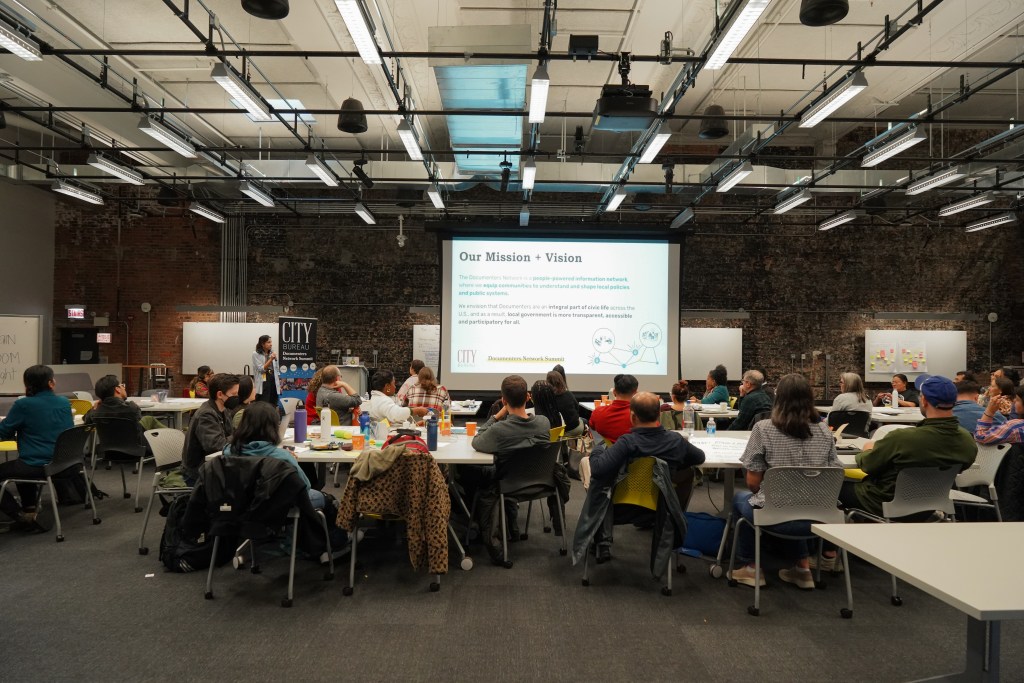
We connected with newly launched sites such as the Tulsa Flyer in Oklahoma and Uplift Local in the Columbia Gorge region in Oregon, as well as experienced Documenters programs at Signal Cleveland and Outlier Media in Detroit. Together, we explored how to design trainings that reflect local needs, deepen community trust and partnerships and build sustainable, scalable programs.
The insights we brought home are already helping shape our pilot program and ensuring Kansas City Documenters is designed with the strengths and needs of our community at its core. A common theme across the network is not a lack of local interest to become Documenters. More than 5,000 people have been trained across the network. The real challenge is giving them clear, simple ways to stay engaged that match our capacity.
We’re learning from our peer newsrooms and sharing our own lessons learned along the way. The Beacon has been doing community engagement work for years, and we’re building a strongerpathway across all of The Beacon’s community programs so people can build skills, take on more responsibility, make connections and help shape our reporting in a real way.
Notes, reporting and what comes next
Our first note-taking assignments for the week of Dec. 1 have already been set. During this pilot phase, we’re taking an intentional approach, starting at a rate of covering two public meetings per week and scaling up from there.
Readers will soon be able to find select Documenters’ notes, follow-up reporting informed by those notes, spotlights on local Documenters and more civic resources in a new community section of The Beacon website. Fact-checked, edited notes will be available at kansascity.documenters.org.
To stay updated on Kansas City Documenters and what’s happening at public meetings in Wyandotte and Jackson Counties, subscribe to the Documenters newsletter.
Thanks to our community
Watching this community of civically curious residents emerge has been nothing short of remarkable. We’re grateful to the Kauffman Foundation and Health Forward Foundation for their support in bringing Documenters to Kansas City. Special thanks to the Kansas City Public Library and the Kansas City, Kansas Public Library for hosting our training sessions.
Most of all, thank you to every Documenter and community partner who has helped bring this program to life. This is just the beginning.
For questions about Kansas City Documenters, contact documenters@thebeacon.media.

